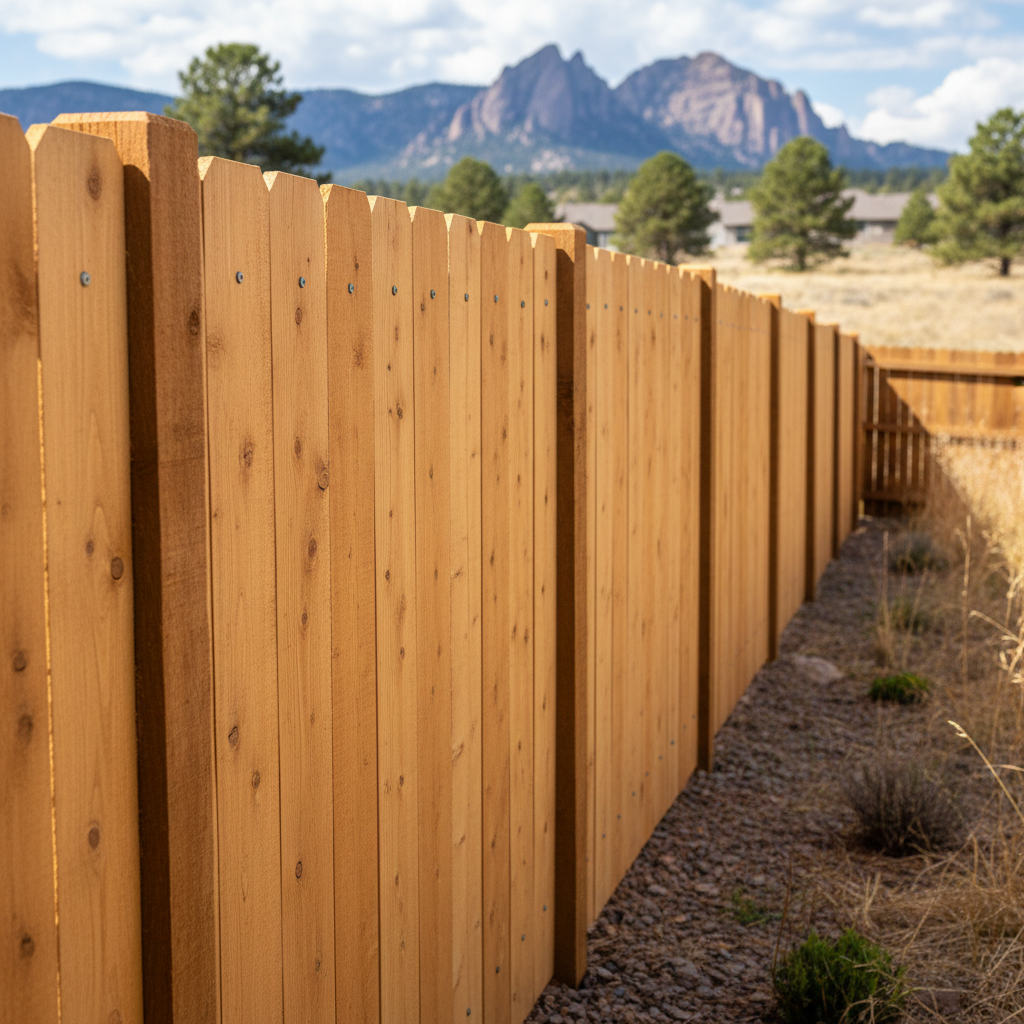
Your fence is looking a little worse for wear, huh? It happens. Between our crazy Boulder winds, the occasional heavy snow, and just plain old time, fences take a beating. I've been fixing fences around here for years, and I get a lot of the same questions from homeowners. So, I figured I'd put together a quick FAQ to give you the straight scoop on fence repair.
How do I know if my fence needs repair or a full replacement?
This is probably the most common question I hear. It's a judgment call, but there are some clear signs. If you've got a few broken pickets, a loose post, or a gate that's sagging, that's usually a repair job. We can often replace individual sections or reinforce existing structures. But if more than 25-30% of your fence is compromised – multiple rotted posts, widespread panel damage, or the whole thing is leaning like it's had too much to drink – you're probably looking at a replacement. Sometimes, homeowners try to patch up a fence that's really at the end of its life, and they end up spending more in piecemeal repairs than a new fence would cost. I'll always give you my honest opinion on what makes the most sense for your budget and the long-term health of your property.
What causes fences to fail around here in Boulder?
Oh man, where do I even start? Our weather is a big one. Those intense downdraft winds we get, especially in areas like the foothills or even just out east of Broadway, can really stress fence panels and posts. Then there's the freeze-thaw cycle. Water gets into cracks, freezes, expands, and slowly destroys wood and even concrete footings. Soil conditions play a role too; some parts of Boulder have more expansive clay soils that can shift and heave, putting pressure on posts. And, of course, simple rot from moisture, especially where wood meets the ground, is a constant battle. Sometimes it's just critters, or a neighbor's tree falling, but usually, it's Mother Nature doing her thing.
Can I just fix it myself? What tools would I need?
Look, I'm a big believer in DIY when it's appropriate. For a single broken picket or a loose hinge on a gate, absolutely, you can probably tackle that. You'd need a hammer, nails or screws, a drill, maybe a saw, and some basic safety gear. But when you're talking about replacing a whole post, re-plumbing a sagging gate, or dealing with structural damage, it gets tricky fast. You'll need post-hole diggers, a level, concrete, specific hardware, and a good understanding of how to properly set a post to withstand our winds. If you're not confident, or if it looks like more than a quick fix, it's usually better to call in someone who does this every day. You don't want to spend a weekend struggling only to have it fail again in the next windstorm.
How long does a typical fence repair take?
It really varies. A small repair, like replacing a few pickets or fixing a gate latch, might only take an hour or two. If we're replacing one or two posts and a section of paneling, that could be a half-day job. More extensive repairs, like multiple sections or a significant portion of a long fence line, might take a full day or even two. We always try to give you an accurate timeframe when we come out for an estimate. We also factor in things like material availability and weather, especially if we're dealing with concrete for posts.
What's the process for getting a repair estimate from Boulder Fencing Solutions?
It's pretty straightforward. You give us a call or shoot us an email through the website. We'll set up a time for me or one of my crew to come out to your property. We'll take a look at the damage, assess the overall condition of the fence, and talk to you about what you're hoping to achieve. We'll discuss options – repair vs. replace, different materials if applicable – and then we'll put together a clear, written estimate for you. No pressure, no hidden fees. We want you to understand exactly what we're proposing and why.
Will my repaired fence match the existing fence?
We always do our best to match existing materials and styles. If you have a cedar fence, we'll use cedar. If it's a specific type of treated lumber, we'll try to source that. The biggest challenge can be the weathering. New wood will always look brighter and newer than old, weathered wood. Over time, it'll blend in, but initially, there might be a color difference. If the existing fence is very old or a unique style, sometimes an exact match isn't possible, but we'll always discuss that with you upfront and find the closest practical solution.
Is it worth repairing an old fence, or should I just get a new one?
This goes back to the repair vs. replacement question, but with an emphasis on age. If your fence is, say, 15-20 years old and showing significant wear, even if the current damage seems minor, it might be a sign of more widespread deterioration. You could fix one section today, only to have another section fail next year, and then another the year after. At some point, you're just throwing good money after bad. If the foundation (posts) are solid and most of the panels are in good shape, repair is usually the way to go. But if the whole thing is tired, a new fence from Boulder Fencing Solutions will give you peace of mind and a better return on your investment in the long run.