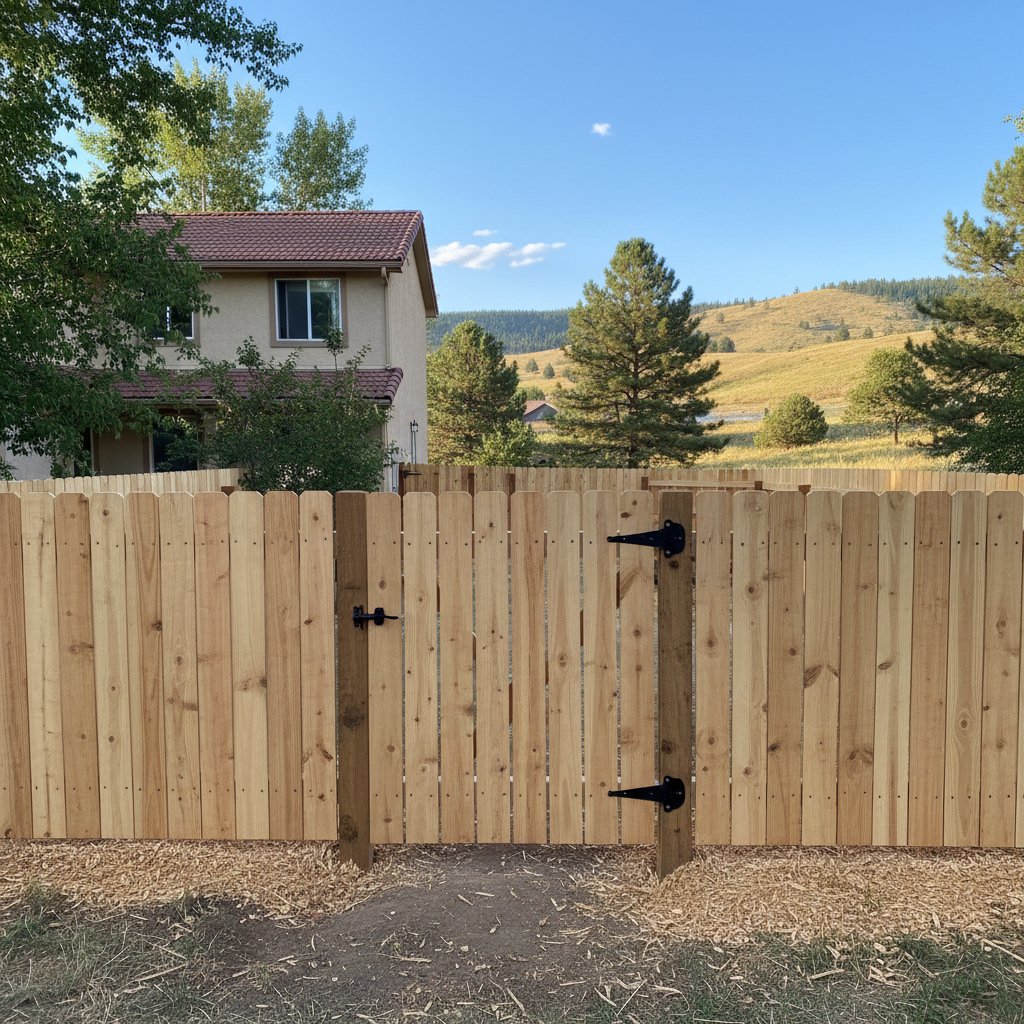
So, you're looking to add a gate to your fence, or maybe replace an old, creaky one. Good call. A well-built gate isn't just about security or convenience; it's a big part of your property's curb appeal and functionality. But let's be real, the first thing on most folks' minds is, "How much is this going to set me back?"
I've been installing fences and gates around Boulder for years, and I can tell you, there's no single, easy answer to the cost question. It's not like buying a gallon of milk. There are a bunch of factors that play into the final price. But I'm going to give you some real numbers and insights so you know what to expect when you start getting quotes.
What Drives Gate Installation Costs?
When I'm putting together a quote for a gate, I'm looking at several key things. These are the main levers that push the price up or down:
Material Type: This is probably the biggest one. A simple pressure-treated wood gate is going to be a lot less than a custom wrought iron piece. Here in Boulder, we see a lot of cedar and redwood for their natural look and durability against our sometimes harsh sun and snow. Vinyl is another popular choice for low maintenance. Ornamental iron or steel gates are usually at the higher end, especially if they're custom-fabricated.
Gate Style & Size: A standard single swing gate is pretty straightforward. Double swing gates, sliding gates, or cantilever gates? Those add complexity and cost. A wider opening means more material and often heavier-duty hardware. For example, a 12-foot double swing gate for a driveway is a whole different beast than a 3-foot pedestrian gate.
Automation & Access Control: Want your gate to open with a remote, keypad, or even your phone? That's where automation comes in. Gate openers, intercom systems, keypads, safety sensors, and even solar power kits for off-grid operation all add to the cost. This isn't just the unit itself; it's the labor for wiring, trenching (if needed), and programming.
Hardware & Accessories: Hinges, latches, drop rods, decorative handles – these range from basic galvanized steel to heavy-duty, powder-coated, or even ornate cast iron. The quality and type of hardware can significantly impact both the gate's function and its longevity.
Site Conditions: Is the ground level? Is there existing concrete or asphalt that needs to be cut or removed? Are we dealing with rocky soil, which is pretty common in areas like the foothills around Boulder? Are there utilities in the way? These things can add extra labor and equipment costs.
Permits: Depending on the size, location, and type of gate, you might need a permit from the City of Boulder. This is usually a smaller part of the overall cost, but it's something to factor in, and a good contractor will handle it for you.
Typical Cost Ranges for Gates in Boulder
Okay, let's get to some actual numbers. Remember, these are rough ranges for installation by a professional like Boulder Fencing Solutions, including labor and materials. Your specific project could be higher or lower depending on all those factors I just mentioned.
Basic Pedestrian Gates (3-4 ft wide, single swing):
Wood (Cedar/Redwood): $800 - $1,500. This is for a solid, functional gate with standard hardware.
Vinyl: $900 - $1,600. Low maintenance and durable.
Basic Steel/Aluminum: $1,200 - $2,500. More durable, often used for security.
Driveway Gates (8-12 ft wide, double swing):
Wood (Cedar/Redwood): $2,000 - $4,500. These are substantial gates, needing robust posts and hardware.
Vinyl: $2,200 - $4,800. Again, good for low upkeep.
Basic Steel/Aluminum: $3,500 - $7,000. These can get heavy and require very strong posts.
Automated Driveway Gates (8-12 ft wide, single or double swing, with opener & basic access):
Material Cost (as above): Add the gate material cost.
Automation System: Add $2,500 - $7,000+. This includes the opener unit, safety sensors, remote controls, keypad, and installation labor. More advanced systems with intercoms, cameras, or smart home integration will push this even higher.
Sliding or Cantilever Gates: These are generally more complex and expensive due to specialized hardware, tracks, and installation requirements. Expect these to start around $5,000 and go up significantly, especially if automated.
So, for a complete automated driveway gate project, you're realistically looking at anywhere from $5,000 to $15,000+, depending heavily on the gate material, size, and the sophistication of the automation.
What Should Be Included in Your Quote?
When you get a quote from a contractor, don't just look at the bottom line. A good, transparent quote should break down the costs. Here's what I always make sure to include:
Detailed Material List: Specifics on the gate material, dimensions, and any decorative elements.
Hardware Breakdown: Type and quality of hinges, latches, drop rods, handles, etc.
Automation Components (if applicable): Brand and model of opener, type of access control (keypad, remote, etc.), safety features.
Labor Costs: Sometimes broken down by task, or as a lump sum for installation.
Site Preparation: Any demolition, grading, or post-hole digging considerations.
Permit Fees: If applicable, who is responsible for obtaining them and the estimated cost.
Warranty Information: What's covered, for how long, and for what components (gate, hardware, opener).
Timeline: Estimated start and completion dates.
If a quote is just a single number, ask for more detail. You've got a right to know what you're paying for.
How to Avoid Overpaying for Your Gate
Nobody wants to feel ripped off. Here's my advice for getting a fair price without sacrificing quality:
Get Multiple Quotes: This is basic, but crucial. Talk to at least three reputable local contractors. This helps you compare not just prices, but also approaches, materials, and personalities.
Be Specific About Your Needs: The more details you can give upfront, the more accurate the quote will be. Know your desired material, style, size, and whether you want automation. If you're vague, you'll get vague (and potentially inflated) estimates.
Ask About Material Grades: Not all wood is equal, and neither is all steel. Ask about the grade of cedar, the gauge of steel, or the thickness of vinyl. Better quality materials cost more but last longer.
Don't Skimp on Hardware: This is where a lot of gates fail. Cheap hinges sag, cheap latches break. Invest in good, heavy-duty hardware that's appropriate for the gate's weight and usage. It'll save you headaches and repair costs down the line.
Understand the Warranty: A strong warranty on both the gate and the installation is a sign of a confident contractor. Make sure you know what's covered.
Check References & Reviews: See what other Boulder homeowners are saying. A good reputation speaks volumes.
Beware of the Lowest Bid: If one quote is drastically lower than the others, there's usually a reason. It could be cheaper materials, less experienced labor, or corners being cut. You don't want to pay twice.
Installing a new gate is an investment, and it's one that should add value and convenience to your property for years to come. By understanding what goes into the cost and asking the right questions, you'll be well-equipped to make a smart decision. If you're in the Boulder area and looking for a gate, give us a call at Boulder Fencing Solutions. We're always happy to talk through your options.