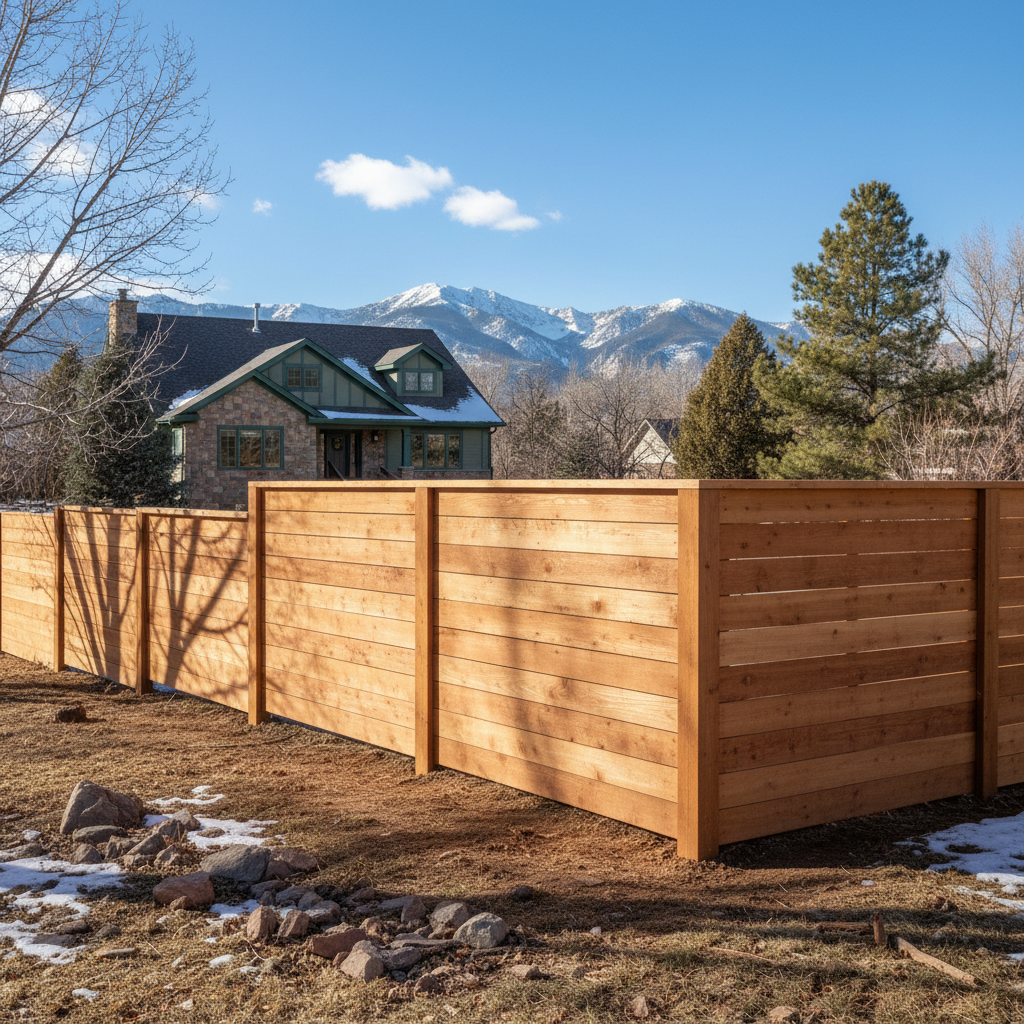
So, you're thinking about putting up a new wood fence right here in Boulder. Smart move! A well-built wood fence really adds a lot to your place, both in looks and value. But before we even think about digging post holes, let's chat about something super important: timing and the weather. Our climate isn't exactly like, say, San Diego, and what that means for your fence project is actually a pretty big deal.
When's the Best Time for a Wood Fence Installation in Boulder?
Honestly, you *can* get a fence installed pretty much any time of year, but some seasons are definitely better than others. For wood fences, I usually tell folks that late spring, summer, and early fall are your best bets. Why those times?
Consistent Temperatures: Wood naturally expands and shrinks with temperature changes. Installing when temperatures are pretty steady, like in summer, means less stress on the wood as it settles in. You really don't want to install it when it's freezing cold, only for the wood to expand dramatically when things heat up, or the other way around.
Dry Conditions: We get some serious moisture around here, especially in spring. While we can certainly work in a light drizzle, heavy downpours turn digging into a muddy mess and can mess with how concrete sets around your posts. Drier ground? It's just plain easier to work with, and it helps us ensure a super solid foundation.
Longer Days: This one's simple enough. More daylight means we can get more work done efficiently. It keeps your project on track and often means less disruption to your daily life.
Winter installations? Yeah, we do them, but they definitely come with their own set of challenges. Frozen ground, especially in areas like North Boulder, can be a real pain to dig through. Sometimes it even needs specialized equipment, which can add to the cost. Plus, working with wood in extremely cold, dry air can sometimes lead to more cracking or splitting down the road. It's not ideal, but sometimes it's necessary, and we'll always talk through those considerations with you upfront, no surprises.
How Boulder Weather Affects the Work
Our weather here is, well, unique. One minute it's sunny, the next it's hailing. That's just how we roll. So, when we're planning your wood fence installation, we're always glued to the forecast. Here's what we keep an eye out for:
Sudden Storms: Those afternoon thunderstorms aren't just annoying; they can totally interrupt a job. If we're pouring concrete for posts, a sudden downpour can dilute the mix, which weakens the foundation. We'll often cover fresh concrete or just pause work if a big storm starts rolling in.
High Winds: Boulder is famous for its winds, especially those gusts coming off the Flatirons. Trying to install tall fence panels when it's really windy isn't just dangerous for my crew, it's also bad for the fence itself. It's tough to get things perfectly straight and secure when the wind is trying to rip them right out of your hands. We'll reschedule if it's too gusty, plain and simple.
Temperature Swings: Like I mentioned earlier, wood reacts to temperature. We factor this into our installation techniques, making sure there's a little wiggle room for expansion and contraction. It's all part of knowing how to build a fence that actually lasts in this climate.
Protecting Your Wood Fence Investment Year-Round
Once your beautiful new wood fence is standing tall, you'll want to keep it looking good and performing well for years to come. Our Boulder climate can be pretty tough on wood, with intense UV rays, dry air, and plenty of moisture cycles. Here's what I recommend:
Seal or Stain Regularly: This is probably the single most important thing you can do. A good quality sealant or stain protects the wood from moisture, UV damage, and even pests. I usually suggest doing this within a few months of installation, once the wood has had a chance to fully dry out and get used to its new home. Then, plan to reapply every 2-5 years, depending on the product you use and how much sun your fence gets.
Clean It: Dirt, mildew, and even algae can build up, especially on the north-facing side of your fence where it tends to stay damp longer. A gentle wash with a soft brush and mild soap can do wonders. Just avoid high-pressure washers unless you really know what you're doing, because they can actually damage the wood fibers.
Check for Damage: Walk your fence line a couple of times a year. Look for loose boards, nails that have popped out, or any signs of rot, especially near the ground. Catching small issues early can stop them from becoming big, expensive problems later. And pay extra attention to any spots where sprinklers hit the fence directly – constant moisture is a wood fence's worst enemy.
Trim Vegetation: Keep bushes, trees, and vines from growing directly on or against your fence. They trap moisture, block air circulation, and can even cause structural damage over time. Who needs that?
Here at Boulder Fencing Solutions, we're not just about putting up fences; we're about building lasting relationships and providing fences that really stand up to everything our beautiful city throws at them. If you've got questions about timing, materials, or just want to chat about your next project, give us a call. We're always happy to help out our neighbors.