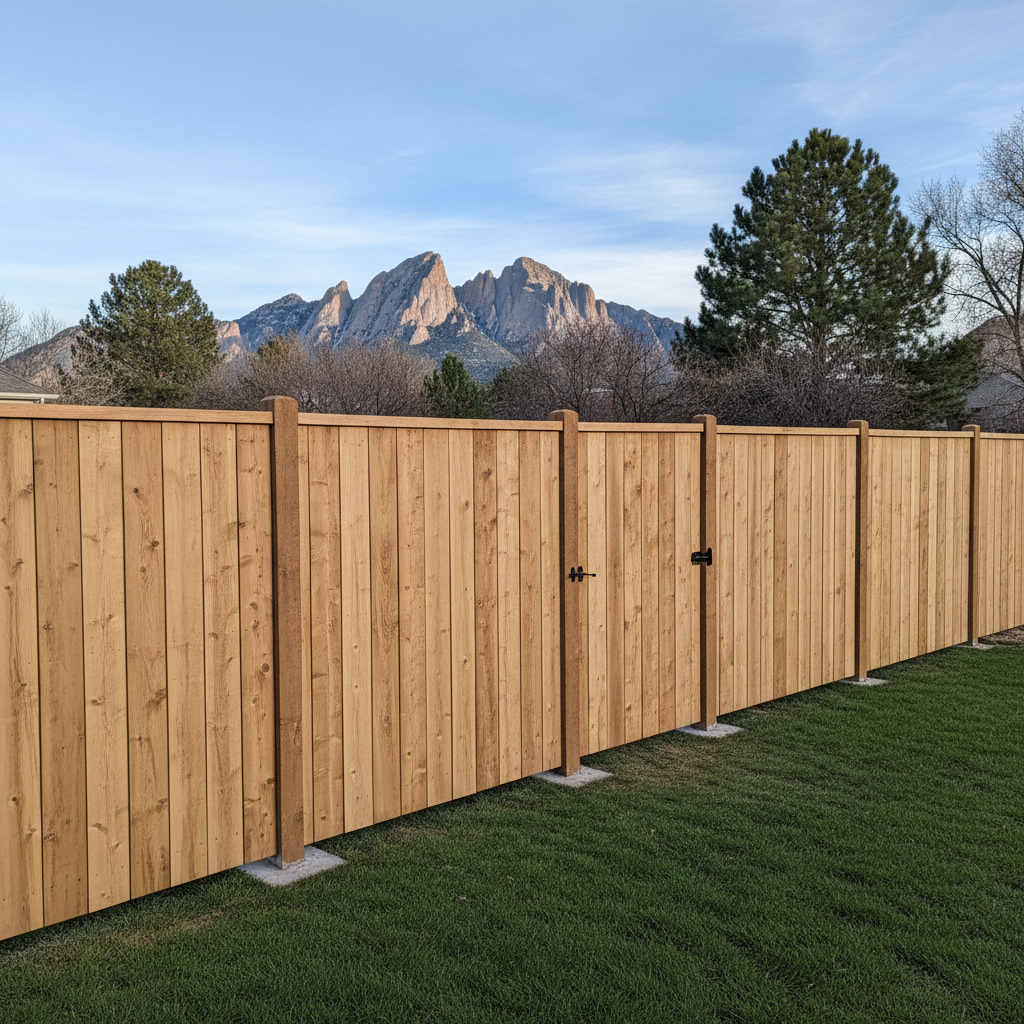
Don't Trip Up: Avoiding Privacy Fence Mistakes in Boulder
You're ready for a privacy fence. Maybe the neighbors are a little too close, or you just want a sanctuary in your backyard. That's a great goal, but I've seen a lot of folks in Boulder make some pretty common mistakes when they're planning or hiring for a new fence. These aren't always obvious, and they can lead to a lot of regret down the line. Let's talk about how to avoid them.
Mistake #1: Skipping the Property Survey
This is probably the biggest one, and it's a headache I see way too often. You think you know where your property line is, right? You've got the old fence, or maybe a marker. But trust me, assumptions here can be costly. I've seen fences built a foot or two onto a neighbor's property, or worse, a neighbor's fence encroaching on yours. Then you're dealing with disputes, potential legal fees, and the cost of moving a brand new fence. Before you even get a quote, get a professional survey. It's an upfront cost, sure, but it's cheap insurance compared to the alternative. Especially in older Boulder neighborhoods like Mapleton Hill, where property lines can be a bit wonky, this is non-negotiable.
Mistake #2: Ignoring Local HOA Rules and City Ordinances
Boulder has its own set of rules, and if you live in an HOA, they'll have even more. You can't just throw up any fence you want. There are height restrictions, material requirements, setback rules, and sometimes even aesthetic guidelines. I've seen homeowners get a beautiful fence installed only to be told by the city or their HOA that it has to come down or be modified. That's a huge waste of money and time. Before you sign a contract, check with the City of Boulder Planning Department for their zoning regulations and, if applicable, get approval from your HOA. A good contractor, like us at Boulder Fencing Solutions, will usually bring this up, but it's ultimately your responsibility to know the rules for your property.
Mistake #3: Choosing the Cheapest Bid Without Asking Questions
Everyone wants a good deal, I get it. But when it comes to something as permanent as a fence, the cheapest bid often comes with hidden costs or compromises. Here's what I mean:
- Are they licensed and insured? If a contractor isn't, and someone gets hurt or your property is damaged, you could be on the hook.
- What materials are they using? Not all wood or vinyl is created equal. A cheaper bid might mean lower-grade materials that won't stand up to Boulder's sun, snow, and freeze-thaw cycles. You want something that's going to last, not warp or rot in a few years.
- What's their warranty? A reputable company stands behind their work. Ask about both material and labor warranties.
- Are they pulling permits? Some fence projects require permits. If a contractor says you don't need one when you actually do, that's a red flag.
Don't be afraid to ask for references and look at their past work. A few extra dollars upfront for quality and peace of mind is always worth it.
Mistake #4: Not Considering Drainage and Terrain
Boulder isn't flat everywhere, and we get some serious rain and snowmelt. If your property has a slope, or if water tends to pool in certain areas, your fence installation needs to account for that. A fence built without considering drainage can become a dam, leading to water pooling against your house or your neighbor's, or even undermining the fence posts themselves. A good contractor will assess the terrain and suggest solutions, like stepping the fence or using specific post-setting techniques, to ensure longevity and prevent water issues. This is especially true if you're on a hillside or have a lot of clay soil, which can expand and contract significantly.
Mistake #5: Overlooking Maintenance Requirements
You want a privacy fence, but have you thought about what it takes to keep it looking good? Wood fences, especially, need regular staining or sealing to protect them from the elements. If you're not prepared for that, you might be better off with a low-maintenance option like vinyl or composite. I've seen beautiful wood fences turn gray and splintered after just a few years because the homeowner didn't realize the upkeep involved. Be realistic about how much time and effort you're willing to put into maintenance, and choose your materials accordingly.
Getting a new privacy fence is a big investment, and you want to get it right the first time. By avoiding these common pitfalls, you'll save yourself a lot of headaches and end up with a fence you'll love for years to come. Do your homework, ask the tough questions, and don't rush into anything. Your backyard oasis will thank you for it.