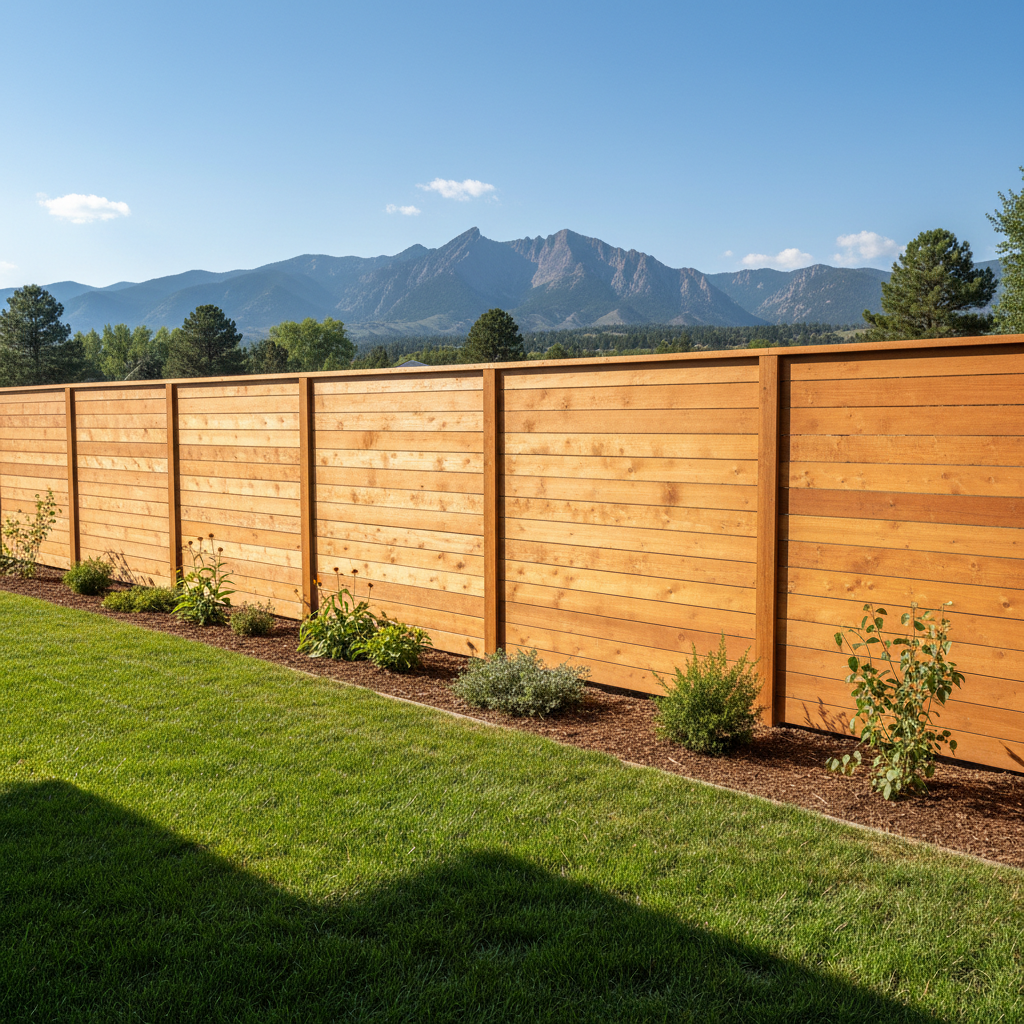
You've invested good money and time into your farm fence, whether it's for livestock, property lines, or just keeping things tidy. But a fence isn't a 'set it and forget it' kind of deal, especially not here in Boulder. Our climate, with its brutal sun, heavy snows, and those crazy Chinook winds, really tests a fence's limits. I've seen countless farm fences around the county, from the plains out east to the foothills near Eldorado Springs, and the ones that last are the ones that get a little love.
Extending Your Farm Fence's Lifespan
The biggest thing you can do to make your farm fence last is to be proactive. Think of it like changing the oil in your truck – you do it before there's a problem. For wood fences, that means regular staining or painting. I recommend doing this every 2-3 years, or even yearly on posts that get a lot of direct sun or moisture exposure. Use a good quality exterior stain or paint that offers UV protection and water resistance. It'll prevent the wood from drying out, cracking, and rotting.
For wire fences, especially barbed wire or woven wire, tension is everything. Loose wires sag, get caught, and eventually break. Periodically check your tensioners and tighten them up. If you've got high-tensile wire, make sure your corner braces are solid. Those things are under immense pressure, and if one fails, it can take a whole section of fence with it.
Metal components, like hinges, latches, and even the wire itself, need protection too. A little rust-inhibiting paint on metal posts or a shot of lubricant on gate hinges can go a long way. Don't forget about vegetation control. Keeping weeds, brush, and even small trees away from your fence line prevents moisture buildup, makes inspections easier, and stops plants from growing into and damaging the fence.
Regular Maintenance Checks: What to Look For
You don't need to be out there every day, but a good walk-through of your fence line a few times a year is smart. I usually tell folks to do it at the start of spring, mid-summer, and before winter really sets in. Here's what I look for:
- Loose or Broken Posts: Give each post a good shake. If it wiggles, it's a problem. For wood posts, check for rot at the ground line. For metal posts, look for bent sections or concrete footings that have cracked or heaved.
- Sagging or Broken Wires: This is pretty obvious. If wires are loose, try to re-tension them. If they're broken, repair them promptly. A small break can quickly become a big one, especially if you have livestock.
- Damaged Rails or Boards: For wood fences, look for cracked, split, or rotting boards. Replace them before they completely fail. For vinyl or composite, check for cracks or panels that have come loose.
- Gate Issues: Gates get the most use and abuse. Check hinges for rust or wear, make sure latches are secure and working properly, and ensure the gate swings freely without dragging.
- Erosion: Our intense thunderstorms can really wash out soil around fence posts, especially on sloped properties. If you see significant erosion, you'll need to backfill and compact the soil around the post to maintain stability.
- Wildlife Damage: Deer, elk, and even smaller critters can put stress on a fence. Look for bent wires or broken sections where animals might have pushed through.
Warning Signs You Can't Ignore
Some problems are small, and some are flashing red lights. Don't put off these issues:
- Heaving Posts: This is common in our freeze-thaw cycles. If a post is noticeably higher than it used to be, or leaning significantly, the footing has likely failed. It's not just cosmetic; it compromises the entire fence section.
- Widespread Rot: If you're seeing rot in multiple posts or sections, especially at the ground line, it means your fence's structural integrity is compromised. One bad post can put undue stress on its neighbors.
- Major Wire Breaks: A single strand of barbed wire might be a quick fix. But if you have multiple strands broken, or large sections of woven wire torn, you've got a bigger problem that needs immediate attention, especially if you're containing animals.
- Gate Failure: A gate that won't latch, sags so much it drags, or has broken hinges isn't just an inconvenience; it's a security risk.
- Significant Storm Damage: After a big snowstorm or a high-wind event, do a thorough inspection. Downed trees, heavy snow loads, or flying debris can cause serious damage that needs to be addressed quickly to prevent further issues.
When to Call a Professional
Look, I know a lot of folks here are handy, and that's great. For small repairs, you can probably handle it. But there are times when calling in a pro like Boulder Fencing Solutions just makes sense. You should definitely give us a call if:
- You have multiple posts failing: Replacing one post is one thing, but if you're looking at a whole line of them, it's a bigger job that requires specialized equipment and expertise to ensure proper alignment and footing.
- Corner or Brace Posts are Compromised: These are the anchors of your fence. If they fail, the whole system goes. Repairing or replacing these correctly is crucial for long-term stability.
- Extensive Wire Damage: Re-tensioning long runs of high-tensile wire or repairing large sections of woven wire can be tricky and even dangerous without the right tools and know-how.
- You're dealing with difficult terrain: Building or repairing fences on uneven ground, rocky soil, or steep slopes is a challenge. We've got the experience to handle those tough spots.
- You're short on time or specialized tools: Sometimes, you just don't have the hours or the equipment needed for a big repair. That's what we're here for.
Your farm fence is a critical part of your property, and keeping it in good shape saves you money and headaches down the road. A little regular attention goes a long way in making sure it stands strong against whatever Boulder weather throws at it.