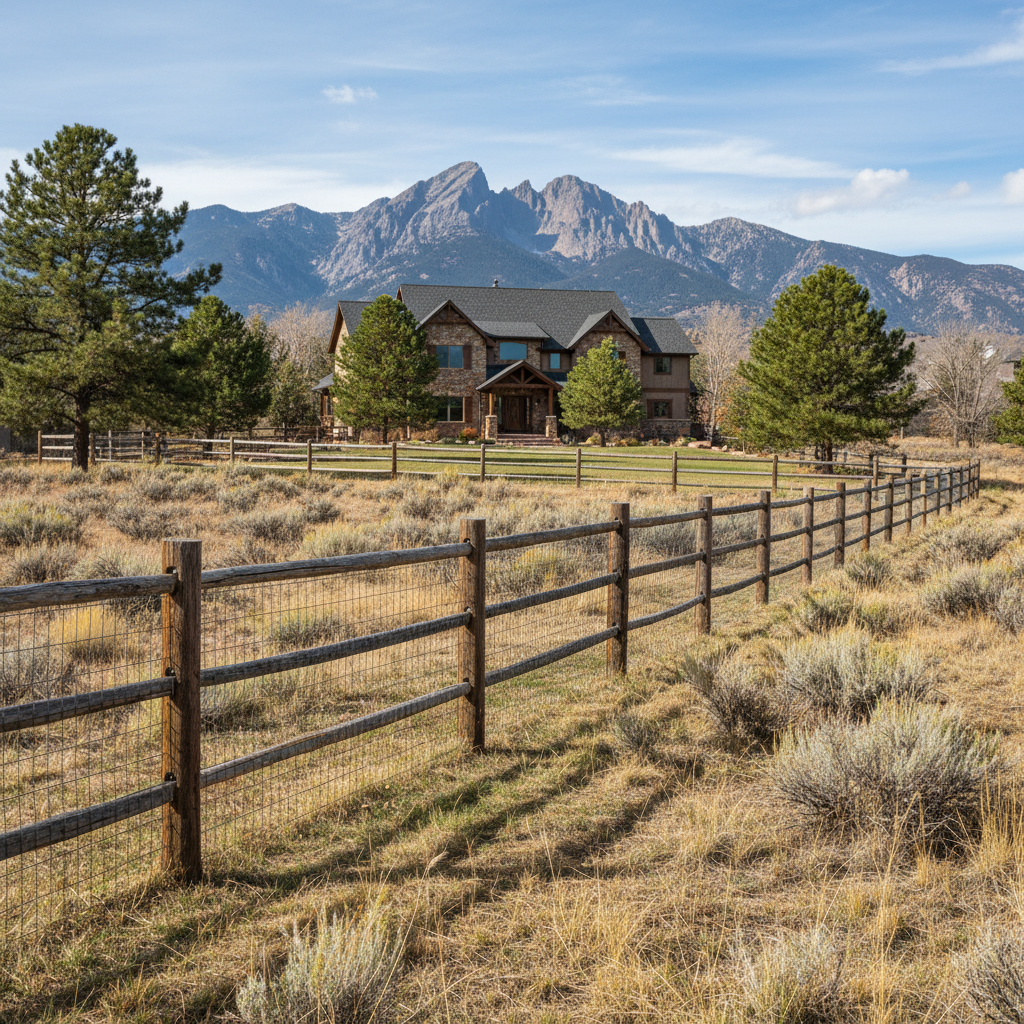
So, You're Thinking About a New Farm Fence?
Alright, let's talk farm fences. You've got land, maybe some animals, and you know you need a good, sturdy fence to keep things where they belong and keep unwanted guests out. Planning a farm fence project isn't like putting up a little picket fence in your front yard, is it? There's more to it, and getting it right from the start saves you a ton of headaches down the road. I've seen plenty of folks just jump in without a solid plan, and trust me, that rarely ends well.
What's Your Timeline Looking Like?
First things first: when do you actually need this fence up? This isn't a quick weekend job, especially for a proper farm fence. From your initial thought to the final post being set, you're looking at a process. Here's a rough breakdown:
- Initial Research & Planning (2-4 weeks): This is where you figure out what kind of fence you need, what materials make sense for your animals and property, and start looking for contractors.
- Getting Bids & Choosing a Contractor (2-4 weeks): You'll want to get a few quotes. Don't just go with the cheapest; look for experience, good communication, and a clear understanding of your specific needs.
- Permitting (Varies, 2 weeks to 2 months+): Depending on your property, the fence height, and where it's located, you might need permits from Boulder County or the city. This can take a while, so don't underestimate it.
- Material Ordering & Delivery (2-6 weeks): Specialized farm fencing materials aren't always sitting in a warehouse down the street. They often need to be ordered, especially if you're going with something specific like high-tensile woven wire or certain types of posts.
- Installation (1-4 weeks, or more for large projects): Once everything's on site and permits are in hand, the actual build begins. This depends heavily on the length of your fence, the terrain, and the type of fence you've chosen.
So, from the moment you decide you need a fence, you're easily looking at 2-5 months before it's actually finished. Plan accordingly, especially if you have livestock moving dates or planting schedules you need to hit.
What to Expect During the Process
Once you've picked a contractor, like us at Boulder Fencing Solutions, here's what typically happens:
- Site Visit & Measurement: We'll come out, walk your property, measure the fence lines, and talk about your specific needs in detail. This is where we figure out the best route, gates, and material choices.
- Proposal & Contract: You'll get a detailed proposal outlining the scope of work, materials, timeline, and cost. Read this carefully.
- Permit Application (if needed): If permits are required, either you or the contractor will handle the application process. We can guide you on what's needed.
- Utility Locates: Before any digging starts, we'll call 811 to get underground utilities marked. This is non-negotiable for safety and to avoid costly damage. You don't want to hit a gas line!
- Material Delivery: Posts, wire, gates, and hardware will show up on your property. Make sure you have a clear, accessible spot for them.
- Installation: Our crew will get to work. This involves setting posts, stretching wire, installing gates, and making sure everything is secure and functional. There will be noise, some dust, and activity. We try to be as minimally disruptive as possible, but for a bit, it's a construction site.
- Final Walk-Through: Once we're done, we'll walk the fence line with you to ensure everything meets your expectations and the agreed-upon plan.
How to Prepare Your Property
You can make the whole process smoother for everyone by doing a little prep work:
- Clear the Fence Line: Remove any brush, small trees, or debris along where the fence will go. The clearer it is, the faster and more efficiently we can work.
- Mark Property Lines: If you have a survey, great. If not, have a clear idea of your property boundaries. We can help with this, but knowing roughly where things stand is a good start.
- Manage Access: Make sure there's clear access for our vehicles and equipment to the fence line. We'll need room to maneuver.
- Secure Animals: If you have livestock, make arrangements to keep them away from the work area during installation.
- Water Access: Especially in the dry Boulder climate, having access to water on site for mixing concrete (if used for posts) or for the crew is always appreciated.
Questions to Ask Before You Sign That Contract
Don't be shy. This is a big investment, and you deserve to know exactly what you're getting. Here are some key questions:
- What specific materials are you using? Get brand names, gauges of wire, type of posts, and gate hardware.
- What's included in the price? Does it cover material delivery, labor, permit fees, site cleanup, and old fence removal?
- What's the payment schedule? How much up front, and when are subsequent payments due?
- What's your warranty on labor and materials? A good contractor stands behind their work.
- How do you handle unforeseen issues? What if we hit a huge rock formation, which happens a lot around the foothills here, or discover an unmarked utility?
- What's the estimated completion date? And what happens if there are delays?
- Are you licensed and insured? Always ask for proof. This protects you if something goes wrong.
- Can you provide references from other farm fence projects? Talking to past clients is invaluable.
Asking these questions upfront will help you find a reliable contractor and ensure your farm fencing project goes as smoothly as possible. A well-planned fence is a fence that lasts, and that's exactly what you want for your Boulder property.